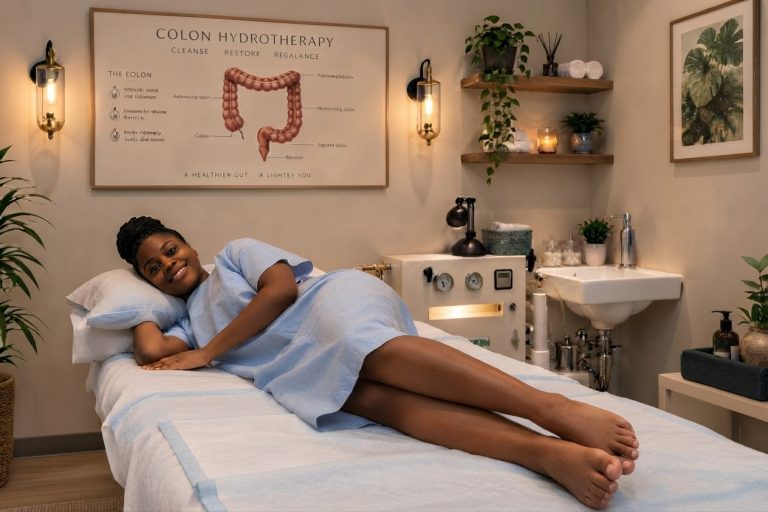
Period pain is one of the most common reasons women come to see us, and one of the most common things women quietly put up with. Red light therapy is one of the treatments we are asked about most often, so this guide explains it honestly: what it is, what the research does and does not show, and when period pain needs a doctor first.
In short
- Red light therapy shines red and near-infrared light onto the skin. It is painless and does not use UV light.
- Researchers are studying it for period pain, but the evidence is still early. It sits alongside medical care, not instead of it.
- Severe, worsening or unusual period pain should always be checked by a doctor first.
- At Medilution, every red light session starts with a consultation to check it is suitable for you.
Why period pain deserves proper attention
Many women and girls are told that painful periods are simply part of life. Mild cramping is common, but pain that keeps you away from work or school, or that changes over time, is worth talking about. Too often it goes unmentioned because it feels private or embarrassing.
At our clinics in Botha’s Hill and Richards Bay, we would rather you ask the question than live with the pain in silence.
See a doctor first if
Your period pain stops you from doing normal daily things, is getting worse over the months, comes with very heavy bleeding, bleeding between periods or after sex, or comes with a fever. These need a medical examination before any wellness treatment.
What red light therapy actually is
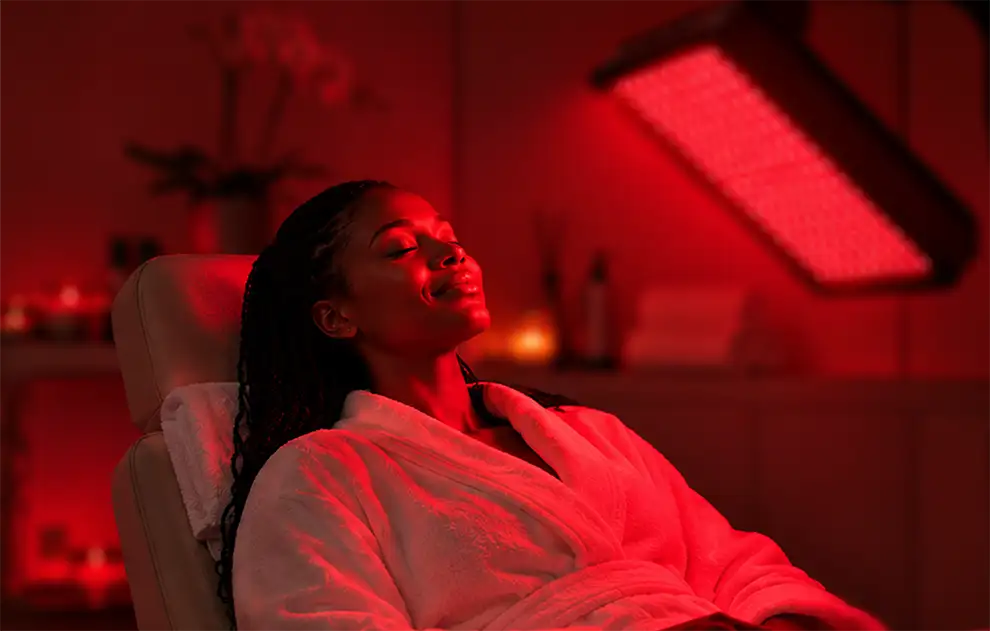
Red light therapy, also called photobiomodulation or low-level light therapy, uses a panel or lamp that gives off red and near-infrared light. You sit or lie comfortably while the light is directed at the area being treated.
It is not a sunbed and it does not use ultraviolet light. Most people describe it as a gentle warmth, and many find the session relaxing. Researchers believe the light is absorbed by parts of our cells involved in producing energy, which is why it is being studied for pain and healing. That research is still developing.
What the research says so far
A number of small studies have looked at red and near-infrared light for period pain and pelvic pain. Some participants in these studies reported less pain, which is encouraging. However, the studies are small, they use different devices and settings, and there is not yet enough evidence to say it will work for everyone.
We think you deserve to know that before you book. That is why we treat red light therapy as one part of a wider plan, alongside a proper medical assessment, and never as a replacement for it.
Period pain is common. That does not mean you have to simply put up with it.
The Medilution team
Everyday habits that many women find helpful
Whatever treatment you choose, small daily habits make a difference for many women. None of these replace medical advice, but they are a good place to start.
Use gentle heat
A hot water bottle or warm bath on the lower belly or back is one of the simplest ways many women ease cramps.
Keep moving gently
Walking, stretching or light exercise can help some women feel less tense during their period.
Keep a symptom diary
Note when the pain starts, how bad it is and what helps. This is very useful if you do see a doctor.
Eat regularly and drink water
Regular meals and enough water help you feel steadier through the day.
Rest and look after your stress
Pain can feel worse when you are exhausted or stressed. Give yourself permission to slow down.
What a red light session at Medilution looks like
Your first visit starts with a consultation. We ask about your periods, your general health and any medicine you take, so we can check whether red light therapy is suitable for you or whether something else should come first.
If it is suitable, you sit or lie comfortably and your eyes are protected during the session. The number and length of sessions depend on you and are agreed with you at your consultation, along with the cost, before anything is booked.
Red light also runs as part of our restorative sauna therapy session, alongside infrared heat and oxygen support. You can see everything we offer on our services page.
Thinking about red light therapy?Phone either branch and we will tell you whether it is suitable for you.
Talk to usQuestions we get asked
Does red light therapy hurt?
No. It is painless. Most people feel a gentle warmth and find the session relaxing.
Is it the same as a sunbed?
No. Red light therapy uses red and near-infrared light, not the ultraviolet light used in sunbeds.
Is this the same red light as in the sauna session?
Yes, the same kind of light. In restorative sauna therapy it runs together with infrared heat and oxygen support. On its own, it is a quieter session with the light directed at one area.
Can it replace my medication or seeing a gynaecologist?
No. It is a complementary treatment. If you are on treatment for a gynaecological condition, keep following your doctor’s advice and tell us about it at your consultation.
Is it suitable for everyone?
Not always. We check at your consultation, for example if you are pregnant, take medicine that makes you sensitive to light, or have a skin condition in the area being treated.
How many sessions will I need?
It depends on you. We agree a plan with you at your consultation, and you can stop at any time.